Doing Both
How do we write a module to be both a reference document and good prose?
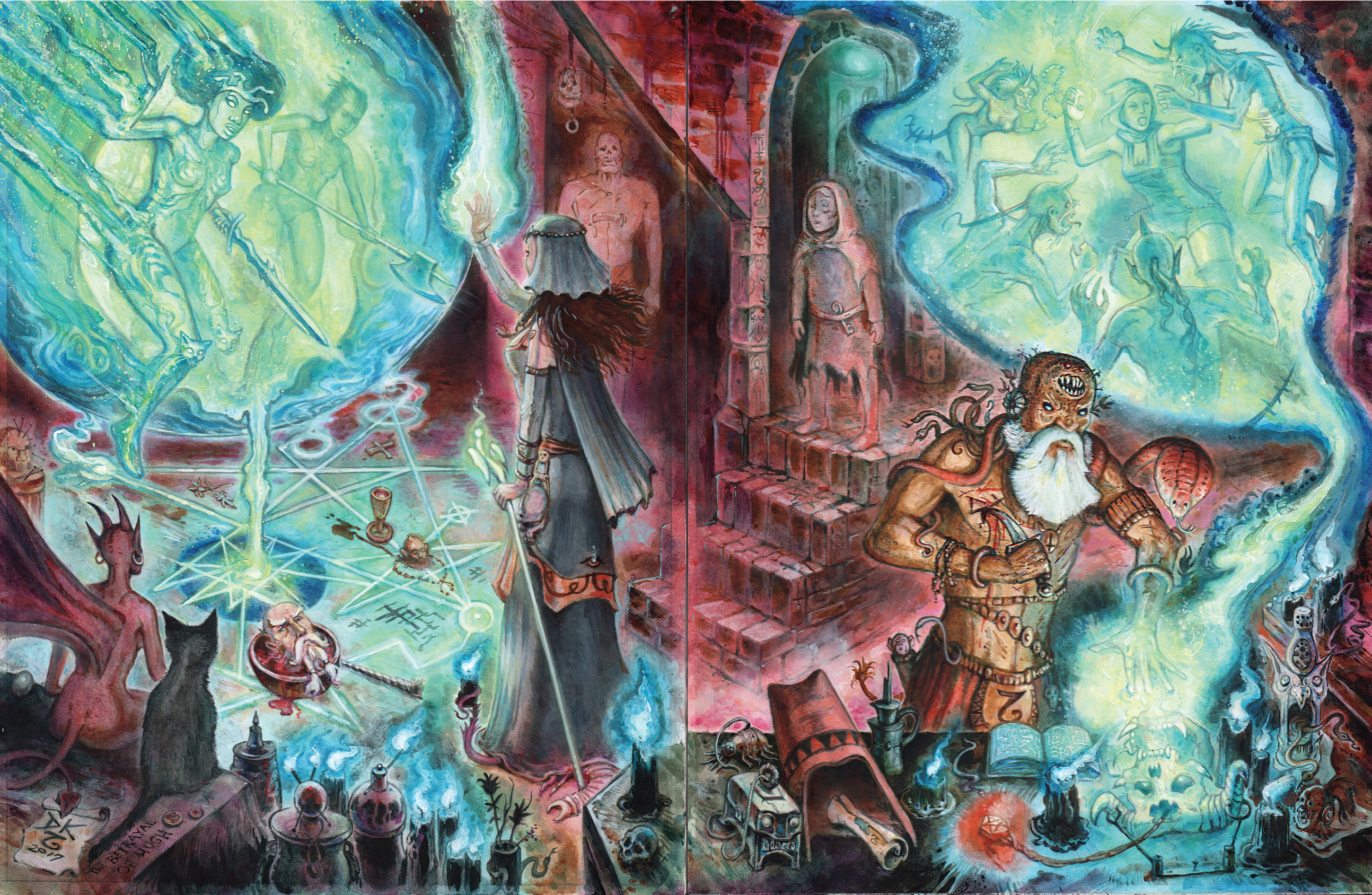
Recently Ben Milton (Mr. Questing Beast) started a little discourse around the writing style of DCC adventures. The whole thing has gotten stuck in my craw for a few reasons. Firstly there is a surface level agreement that DCC adventures a somewhat tricky to parse. They are intentionally “old school”; cut from the TSR clothe. When preparing DCC adventures I would find myself carefully reading everything, rather than skimming the way I do anything written in the OSE style.
Enter Orthopraxy’s post Eating the book. I found myself also agreeing with the sentiment that evocative writing can make the reading more enjoyable and the end result more memorable. After all that is what makes DCC great. Every adventure is pure action packed pulp fantasy that is all killer. no filler. Reading the adventure shows you all the vicious fights, deadly traps, and glorious treasure your players will encounter with astounding clarity. It just doesn’t function as a highly referenceable technical document like other OSR modules do.
Jonas-Merlin then suggested Why not both? In actual technical documents you will often find both forms of information presentation; a blueprint for reference and a render for showing the result. Both forms serve a purpose and each would benefit greatly from the other. This is what then stuck with me; how do you do that? Jonas doesn’t tell you (though I do believe he is working on it), so I might as well try.
Terse is not the opposite of evocative
I’ve been trying to class up my reading by slowly working my way through Blood Meridian by Cormac McCarthy. What really strikes me about the book the language; every word is fired like a bullet from a gun. Nothing wasted on long exposition, flowery prose or even clarifying who is talking. Yet it all paints a highly evocative portrait of violence and cruelty. Terseness harnessed to a razors edge.
Obviously this is both highly readable and referenceable. If the same style was applied to module writing it would be able to do both extremes of the spectrum. In fact, I had heard praise for Zedeck Siew’s Lorn Song of the Bachelor (LSotB from hereon for brevity) for it’s punchy writing. Maybe this is already a solved issue.
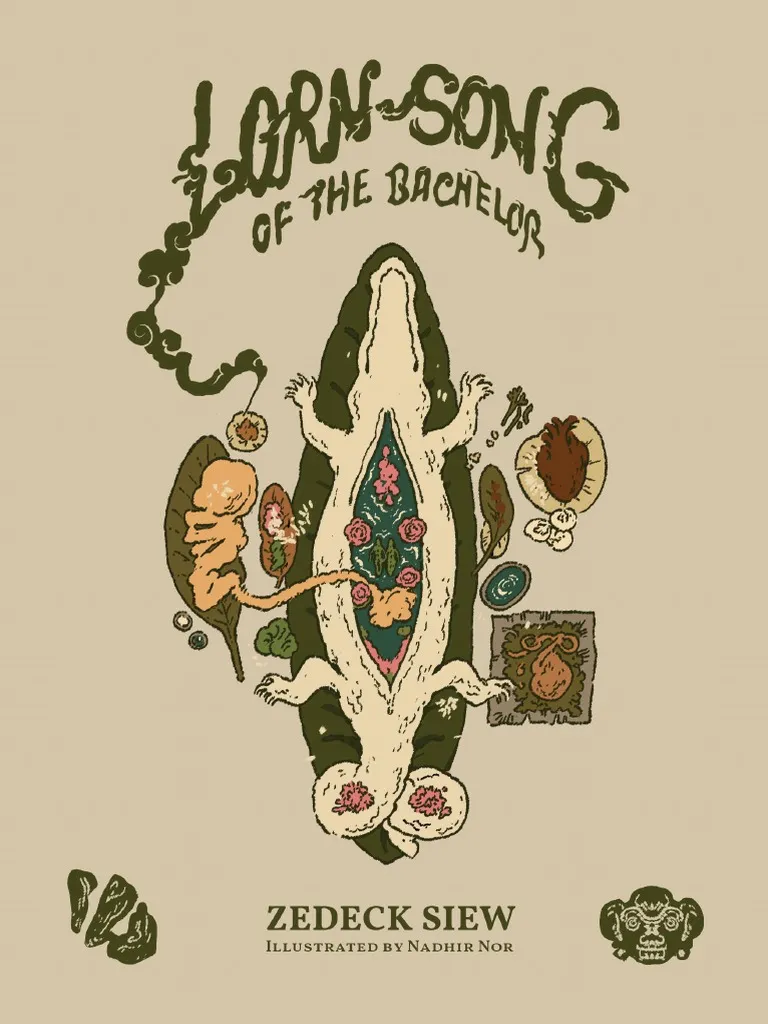
As a 2nd generation Australian of Dutch descent I have at least a passing familiarity with South East Asian culture1, so I was already very interested in LSotB. For one it is a chance to dive a little deeper into the culture and, as the DTRPG page puts it, a morally complex exploration of colonialism piques my interest. It’s a subject many tend to either gloss over, or just portray the colonists as moustache twirling villains and be done with it. LSotB delivers on its promises and is definitely making it to my table at some point, but let’s dig into how it functions as a text.
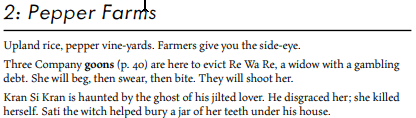 A great example of Zedeck’s writing from Lorn Song of the Bachelor
As promised, the text is both terse and evocative. Every piece of information is quick to read yet never presented plainly. Above is a great example; instead of simply saying the goons attack Re Wa Re for arguing a gambling debt we have a whole scene. In just 27 words we have a play by play that we can use to run a very compelling scene. You could skim it at the table just as effectively as it has lodged in your head. It speaks to Zedeck’s skill as a writer and is not easily replicated. So what is?
One page dungeons
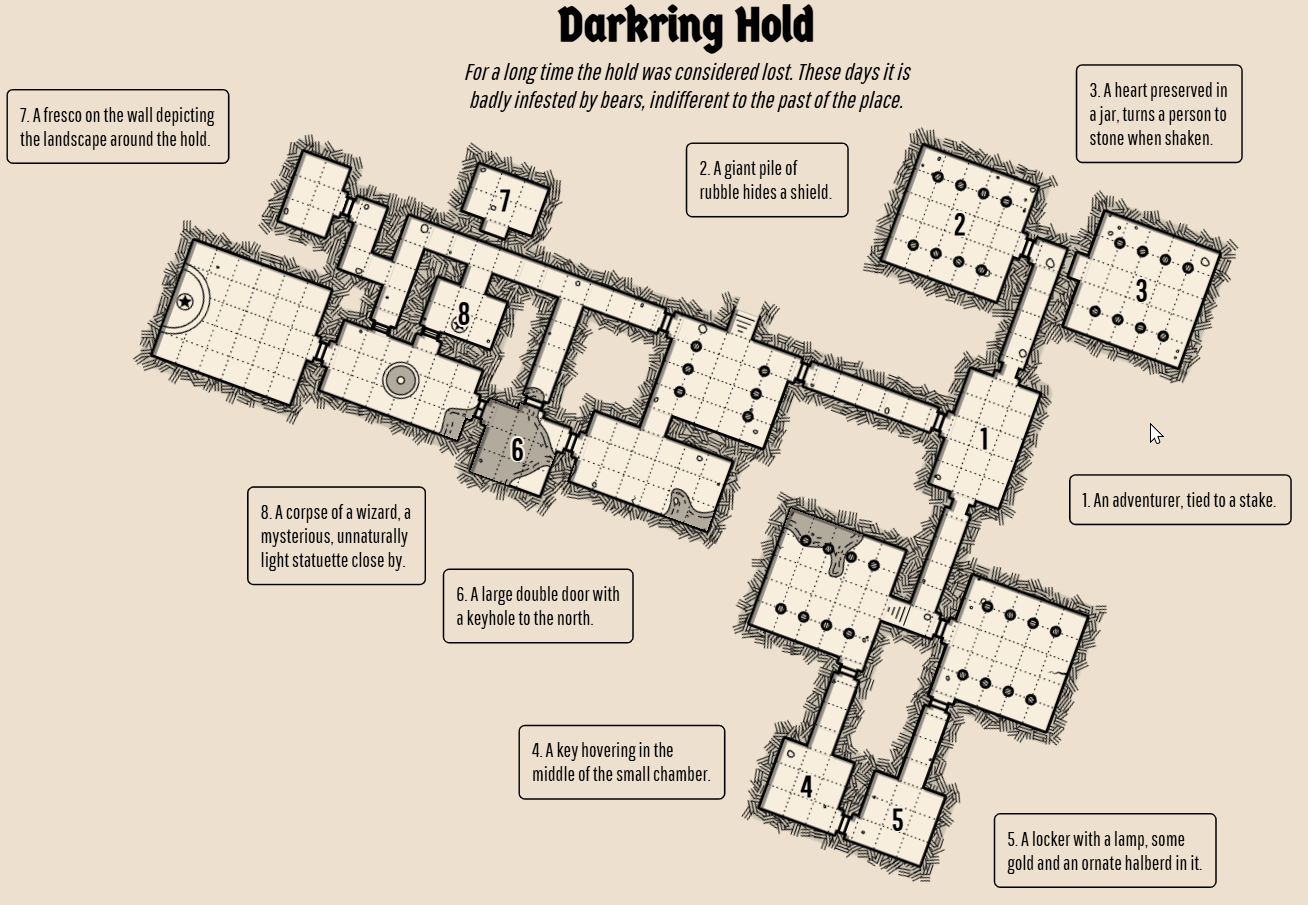 One page dungeons are so ubiquitous you can generate them
Throw a rock at the OSR and you will likely hit a one page dungeon. These guys are everywhere and it is easy to see why. You get all the fun of a dungeon crawl in one easily digestible page. Great for the unprepared GM. In a way they are a more extreme version of the OSE reference document style. They’re just one graphic!
So what if you took a wordy DCC style adventure, and then replaced the map with a one page dungeon style reference document. This benefits the one page dungeon style as it allows you to use short hand referencing the longer prose; overcoming the simplification needed to meet the restriction of the medium. For the longer DCC style it means you have a table reference to prod your memory of the text. Truly it is, as the prophet Hannah Montana foretold, the best of both worlds.
Conclusion
Honestly I have no idea if my idea for a one page dungeon style reference would work. For one it is a lot of effort, and I am unsure as to how much you summarise a larger adventure before GMs a flicking back into the prose section anyway. I think it is worth exploring but I have a feeling people haven’t done this before for a reason. After all this hobby is well tread ground.
Secondly telling people to just write better and with less words is reductive. For one skill like Zedeck’s is hard earned through lots of hard work towards that style. Not every writer is pursuing that goal, nor should they. DCC adventures suit their style because at the end of the day that’s the goal; classic style adventures without the boring bits. It’s the same for OSE. Their writing style suits their product. All this analysis should tell writers to think about what their writing style says about their adventure, and to chose that intentionally. It’s certainly made me think a little more before putting pen to paper.
and a family Nasi Goering recipe ↩︎