Mothership is Still Red Dwarf
An exercise in stubbornness and dead horse beating
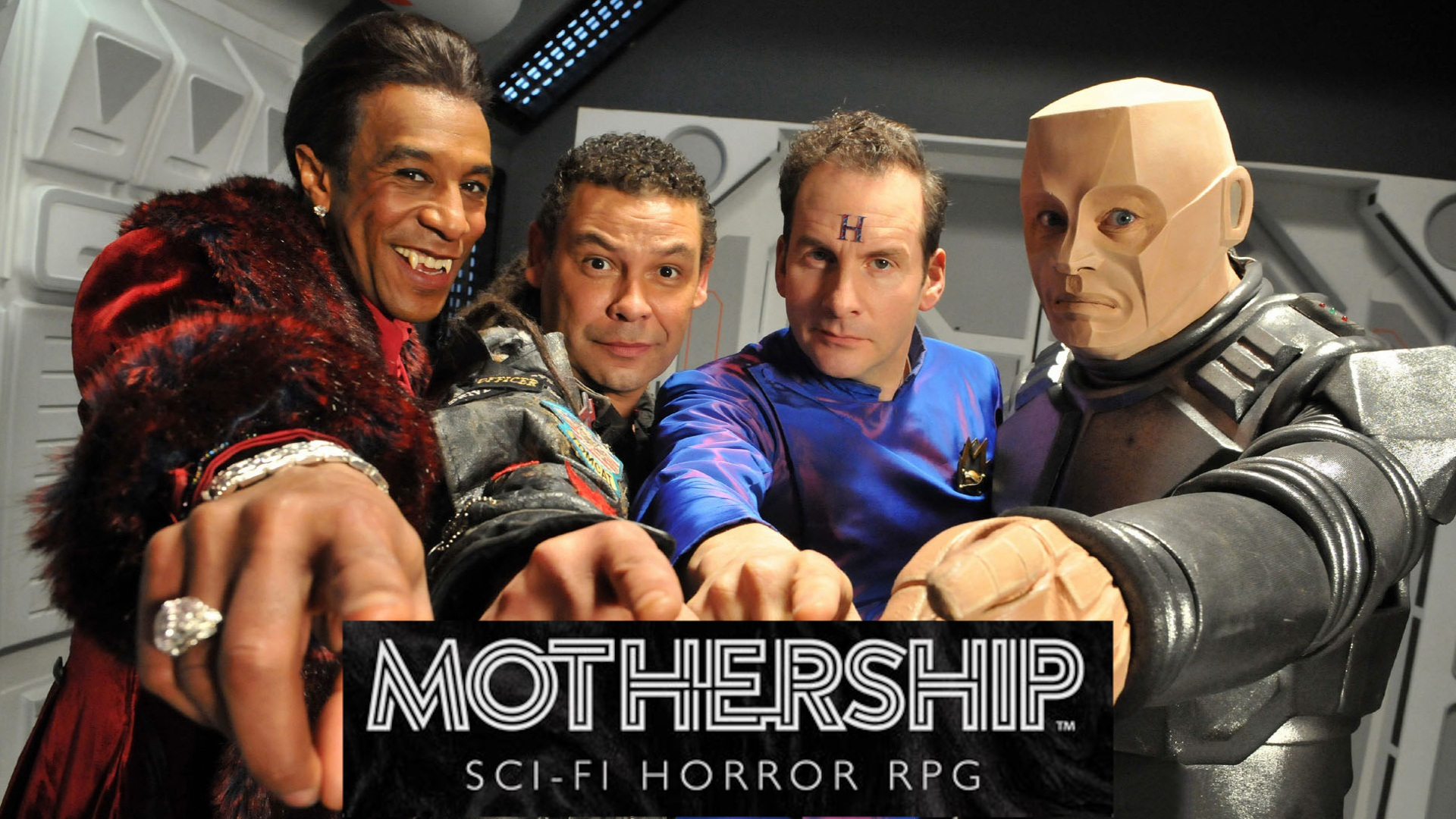
Mothership is not Red Dwarf - Yochai Gal, Between Two Cairns
This is my sleeper cell activation phrase; there is work left undone.
Now did Yochai read my original post? Probably not. Does he know about the similarities in structure and subject matter between horror and comedy? Probably. He seems reasonably clever. But does he go back to watch Red Dwarf on a regular basis as part of a depressive episode so as to have an almost encyclopedic knowledge of the series? I think not! So let’s take this opportunity to spend a bit more time on the legwork I skipped over in my original post.
Let’s start with the link between horror and comedy. Everyone is more or less familiar with the structure of horror; build tension with atmosphere and a few little scares before a big release, usually in the form of someone getting horribly mangled. Comedy does basically the same thing, building tension by stringing you along in one direction before snapping you back the other way. A great example of this is the late great Norm Macdonald’s moth joke. He builds tension with this long story of the moth’s troubles, only to finally hit you with the corny punchline of the original street joke he started telling. The real difference is whether you are laughing or screaming when you piss yourself.
In fact as part of this structure, the two disparate genres will often cross over. Horror movies will sometimes release the tension they are building with a joke scare; revealing something mundane rather than the expected ghost or ghoul. Shock comedy does the opposite by contrasting something mundane with something horrific1. It’s why horror-comedy works so well, the tension is amped up because the audience doesn’t know whether they are building to a joke or a murder or a joke murder. Either way it’s a big release before they start ratcheting it up again.
The subject matter of comedy and horror are also not as dissimilar as one would think. In comedy there are essentially two ways to write a joke. The first is to take the small stuff, and make it big and important like Jerry Seinfeld does. The other, better way is to take the big stuff and make it small. In Norm’s first special he takes his fear of death and trivialises it. Horror takes that same big subject matter, and turns it into something physical and confronting instead of small and petty. Either way they are painting with the same themes.
Red Dwarf has horror baked into its premise. The first episode has Lister learning that everyone he has ever known is dead and he will never get to return home to Earth because he is 3 million years into deep space. If it wasn’t for the appearance of Rimmer’s hologram it would be a moment of complete horrific despair. The first two seasons don’t brush over that fact either, with real moments of sadness between the jokes. That’s not to mention the episodes that are homages to sci-fi horror (that was the subject of my original post).
Then there are the aesthetic similarities in Mothership and Red Dwarf. Both follow the Alien™️ school of design. Gritty industrial ships that feel lived in; half-drunk coffee mugs sitting on top of computer terminals, cramped cabins covered in stickers, spaceship bridges filled with buttons, consoles and little knick-knacks. I defy you to find a single patch in the Mothership players guide that Lister would not proudly display on his dungarees. Hell, one of the first sessions of Mothership I ran the teamster player naturally slipped into the Lister role.
The world building is also not that far apart. Mothership assumes that alien encounters are rare, the stuff of tall tales to most, and Red Dwarf has no aliens just the consequences of humankind’s meddling in space. Both are human-centric universes where the real threats are the monolithic corporations who all but own life in space. The Jupiter Mining Corporation is the same kind of immoral capital-driven bureaucracies that make the backbone of the world of Mothership.
This might also be a matter of GM style. I often run games with dystopian themes, and over a campaign it can get dark and oppressive. So often I inject a bit of humour to make it all more tolerable, sliding into satire rather than just doom and gloom. This bleeds over to Mothership too. Without humour a campaign of Mothership just turns into constant scrambling to pay for the ship and not getting eaten by alien bug monsters.
I don’t think Mothership should be a laugh a minute game, but it can’t be dead serious either. All TTRPGs are social and jokes are part of socialising. My stupid little title might be hyperbole, but I think it is a good way to approach the game. Let your players be silly, every once in a while make them laugh instead of scaring the piss out of them and don’t be a smeg head.
The tax: Feline Sapien Class
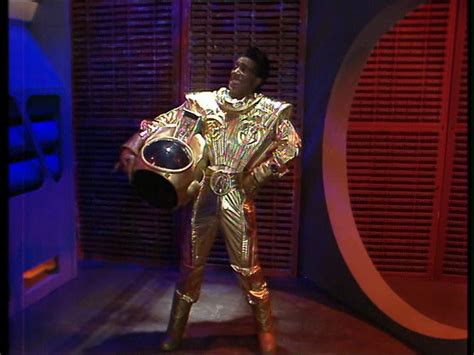
In my original post I said the Cat would be playing a custom class, so here it is. It’s untested so use at your own caution.
Stats & Saves
- +10 Speed
- +30 to Sanity save (too stupid to comprehend the horrors)
Trauma response
- Advantage on any check requiring snappy dressing, or cat skills
Skills
- Theology (Cat religion)
- Athletics
- Bonus: 1 Trained Skill and 1 Expert skill
Loadout
Use Teamster table, all clothes are bedazzled.
It’s worth noting that pure shock comedy wears thin pretty quick and needs to be paired with something more sophisticated. That’s why big broadcast roasts aren’t happening every other day despite how profitable they are. ↩︎